The History of Glass Christmas Ornaments – Where Did the Tradition of Decorating the Tree Begin?
Glass Christmas ornaments have been part of our festive traditions for over 160 years – and it all began in a small German town. Discover how the tradition of decorating the Christmas tree spread across Europe and why hand-blown glass ornaments continue to captivate people around the world. Bolglass of Gniezno has been keeping this tradition alive since 1946.
Quick answer: The tradition of decorating Christmas trees with glass ornaments originated in 19th-century Thuringia, Germany, and quickly spread across Europe and North America. The first glass decorations were crafted by hand using the mouth-blown technique from heated glass tubing. Today, that same technique – unchanged in its essence – forms the heart of Polish glassmaking craft, including the Bolglass manufactory in Gniezno.
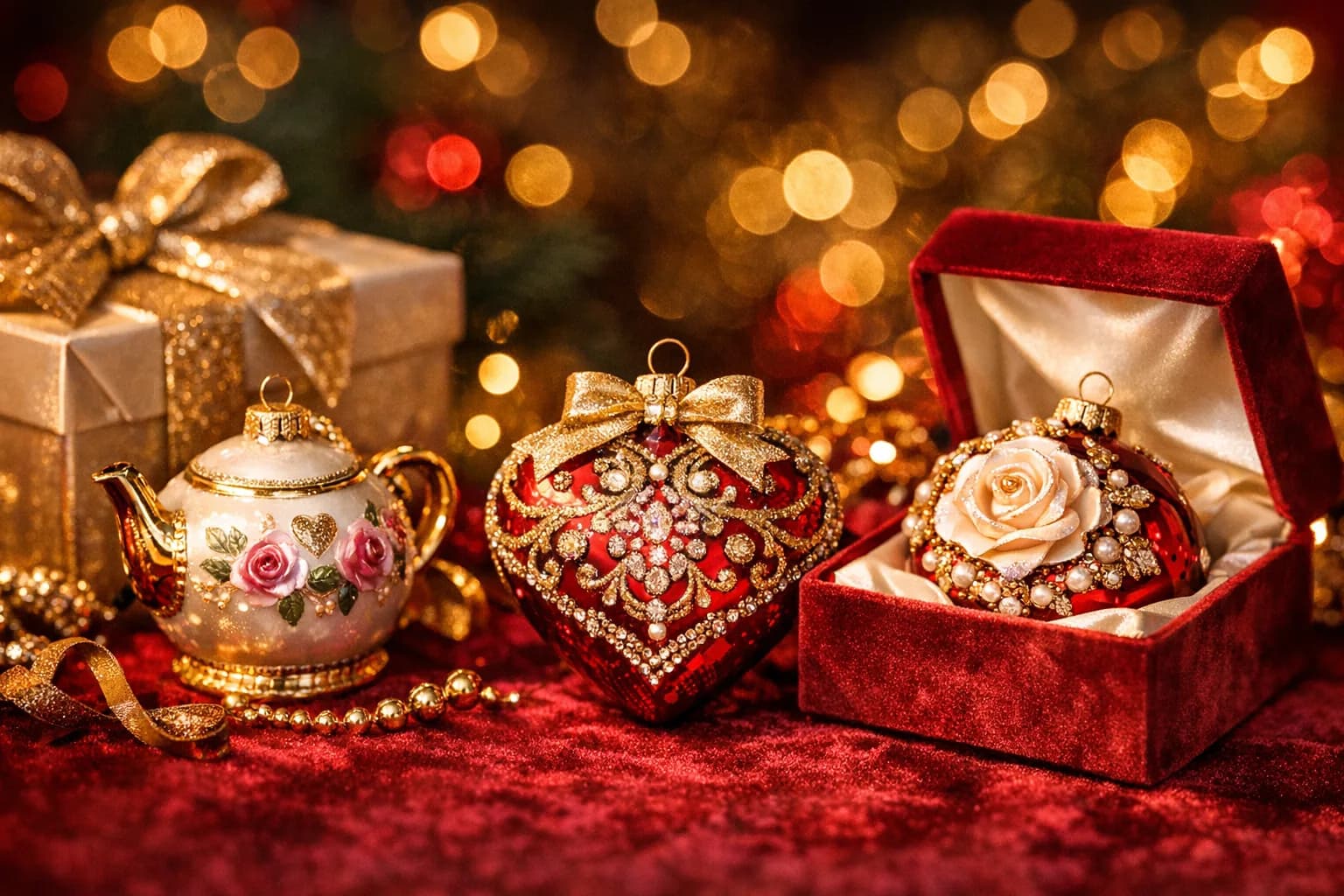
A Christmas ornament is a hand-formed glass decoration made from a glass tube heated to a high temperature, adorned with pigments and metallic coatings, and designed to hang from the branches of a Christmas tree.
How did the tradition of decorating the Christmas tree begin?
The tradition of dressing a Christmas tree dates back to the 16th century. The earliest records of decorated trees come from Alsace and Germany. At first, branches were adorned with apples, nuts and biscuits. Glass ornaments came much later – and they transformed the world of festive decoration entirely.
The pivotal moment came in the mid-19th century. In Lauscha, a small town in Thuringia, glassblowers began producing glass balls intended to replace the more expensive fruits and nuts. These craftsmen used the mouth-blown glass technique – the very same one still practised today in manufactories like Bolglass. The skill required years of training and extraordinary precision.
The popularity of glass ornaments grew rapidly. In 1880, Frank Woolworth introduced them to the United States. Within a few years, he was selling millions of dollars' worth each season. Thuringian ornaments had conquered the New World.
Where did Poland's glassmaking tradition come from?
Poland's tradition of producing glass Christmas ornaments developed throughout the 20th century, drawing on the legacy of European artistic glassmaking. Production centres emerged across the country, and craftspeople honed their glass-blowing and hand-decorating techniques across generations.
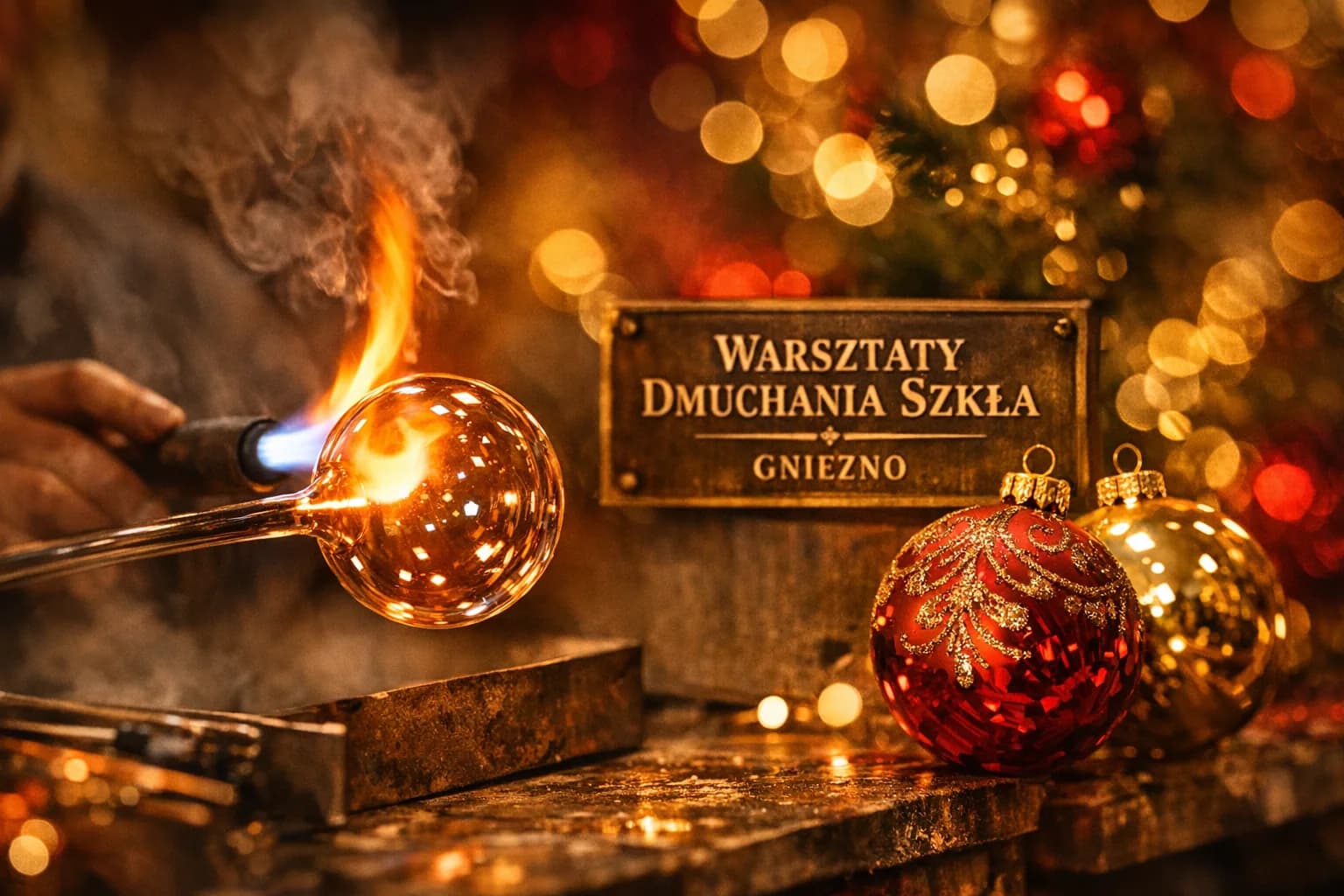
Gniezno became one of the significant hubs of this tradition. It was here, in 1946, that the manufactory now known as Bolglass was established. For more than seven decades, we have been crafting glass ornaments using artisanal methods, passing knowledge from master to apprentice. The glassmaking tradition of Gniezno is a living piece of Polish craft heritage.
How are hand-blown glass ornaments made?
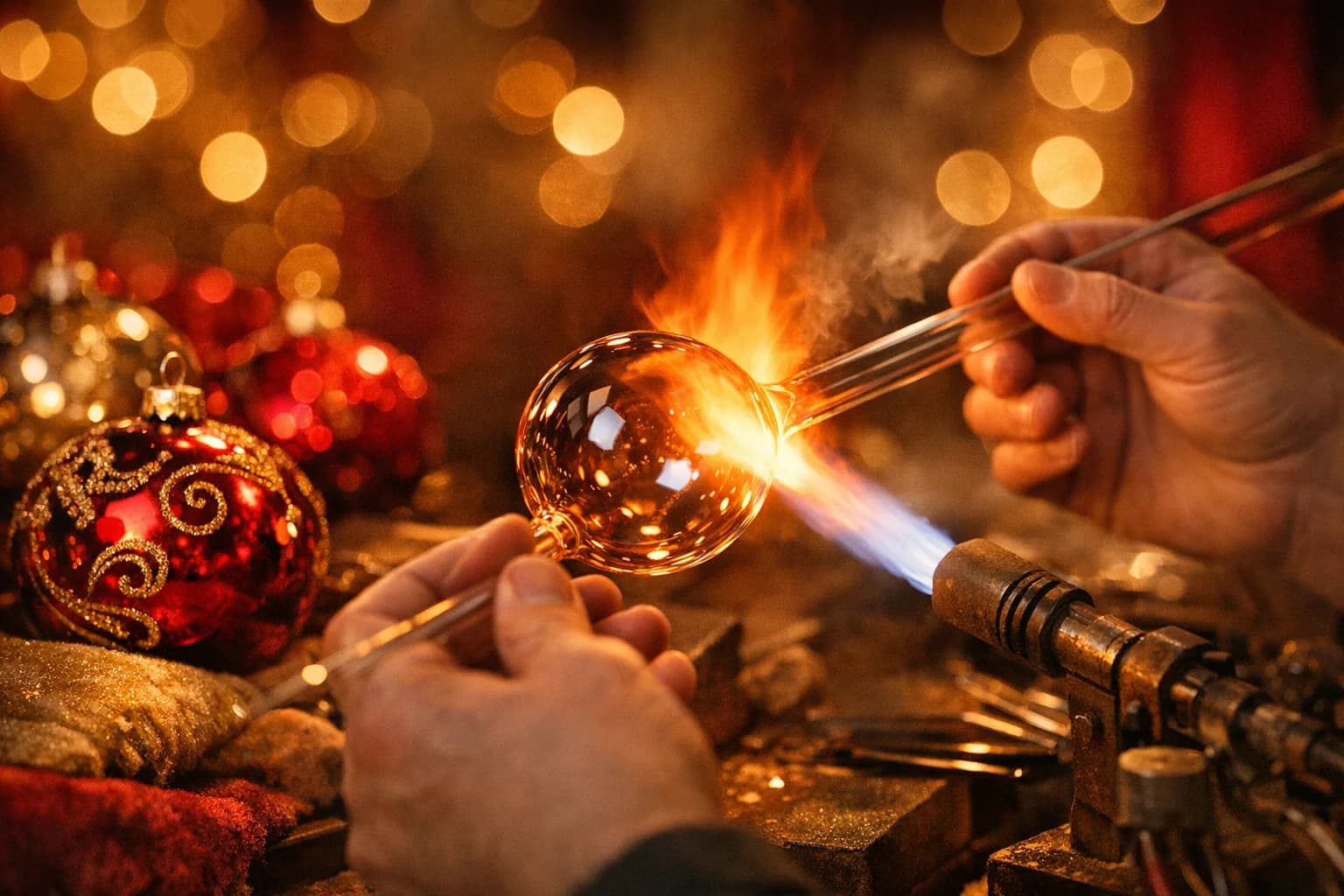
Mouth-blowing is a technique in which a glassblower shapes an ornament directly from a heated glass tube. The process demands years of learning and absolute concentration. Every movement of the lips and every breath shapes the future ornament.
The stages of producing a hand-blown ornament are as follows:
- Heating a soda glass tube in a burner flame
- Shaping the form through mouth-blowing or using a mould
- Silvering the interior with genuine silver nitrate
- Exterior lacquering – a palette of over 200 shades to choose from
- Hand decoration: painting, gilding, glitter and sequin applications
- Fitting the cap and hanging loop
Each ornament passes through the hands of several craftspeople. This is precisely what makes every single piece unique. In true artistic handcraft, no two ornaments are ever identical.
How have Christmas ornaments evolved over the centuries?
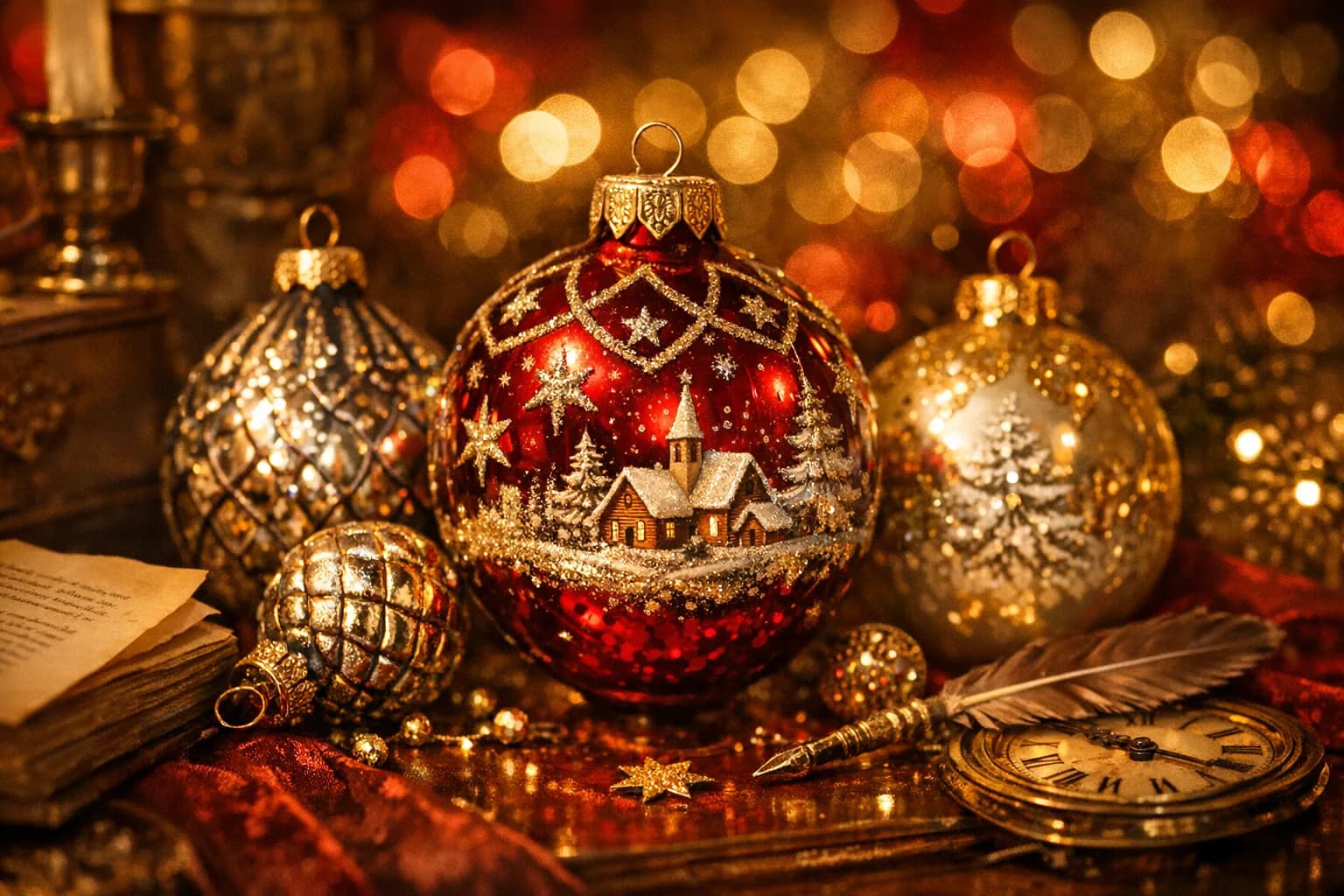
The earliest glass ornaments were heavy and fragile. Advances in soda glass technology gradually allowed for thinner, lighter walls. Designs evolved too – from simple spheres to figures of angels, animals, fruits and fairytale characters.
During the 20th century, industrialisation brought mass-produced plastic ornaments to the market. Yet luxury glass Christmas decorations never lost their standing among discerning customers. On the contrary – hand-blown ornaments are experiencing a genuine renaissance today, embraced as a symbol of quality and authenticity.
Contemporary collectors and interior designers increasingly turn to handcraft manufactories. They value the uniqueness, the quality of the glass and the depth of colour that no machine can replicate. At Bolglass, you can even design your own ornament using our 3D configurator – blending tradition with modern tools.
In numbers
- The Bolglass manufactory has operated continuously since 1946 – over 78 years of tradition
- Glass is shaped from tubing heated to approximately 1,200°C
- The interior of every ornament is silvered with genuine silver nitrate
- The lacquer palette encompasses over 200 shades
- Standard ornament sizes: 6, 8, 10 and 12 cm
Why is it worth visiting the Bolglass manufactory in Gniezno?
A visit to the manufactory is a journey into the heart of Polish craft history. You can watch with your own eyes how a heated glass tube becomes a finished, decorated ornament. It is an experience that no film or photograph can replicate.
At Bolglass, factory tours are available from 35 PLN per person. Tours with workshops – during which you decorate your own ornament – start from 60 PLN per person. The workshop room accommodates up to 92 people at once, making it ideal for schools, companies and organised groups. Full details are available on our tours and workshops pricing page.
If you are looking for distinctive ornaments for your company, explore our offer of branded logo ornaments – an elegant and lasting gift that combines tradition with brand identity. Ready-made ornaments can also be ordered directly from our online shop.
How should glass ornaments be cared for so they last for generations?
Hand-blown soda glass ornaments are delicate, but with proper care they can grace a Christmas tree for decades. A few simple rules make all the difference:
- Store ornaments in individual compartments – ideally in their original boxes
- Avoid sudden changes in temperature
- Clean gently with a dry or slightly damp cloth
- Do not use harsh chemical cleaners
- Take care around metallic decorative elements – they can scratch the lacquer coating
Glass ornaments from a quality manufactory are an investment in beauty and tradition. When you pass them on to the next generation, you pass on a piece of history too.