How Are Hand-Blown Glass Christmas Ornaments Made? The Production Process Step by Step
Hand-blown glass Christmas ornaments are the result of many hours of skilled craftsmanship, combining traditional glassblowing techniques with artistic precision. At the Bolglass manufactory in Gniezno, every ornament goes through a dozen or more stages – from molten glass to a finished decoration. Discover this remarkable process step by step.
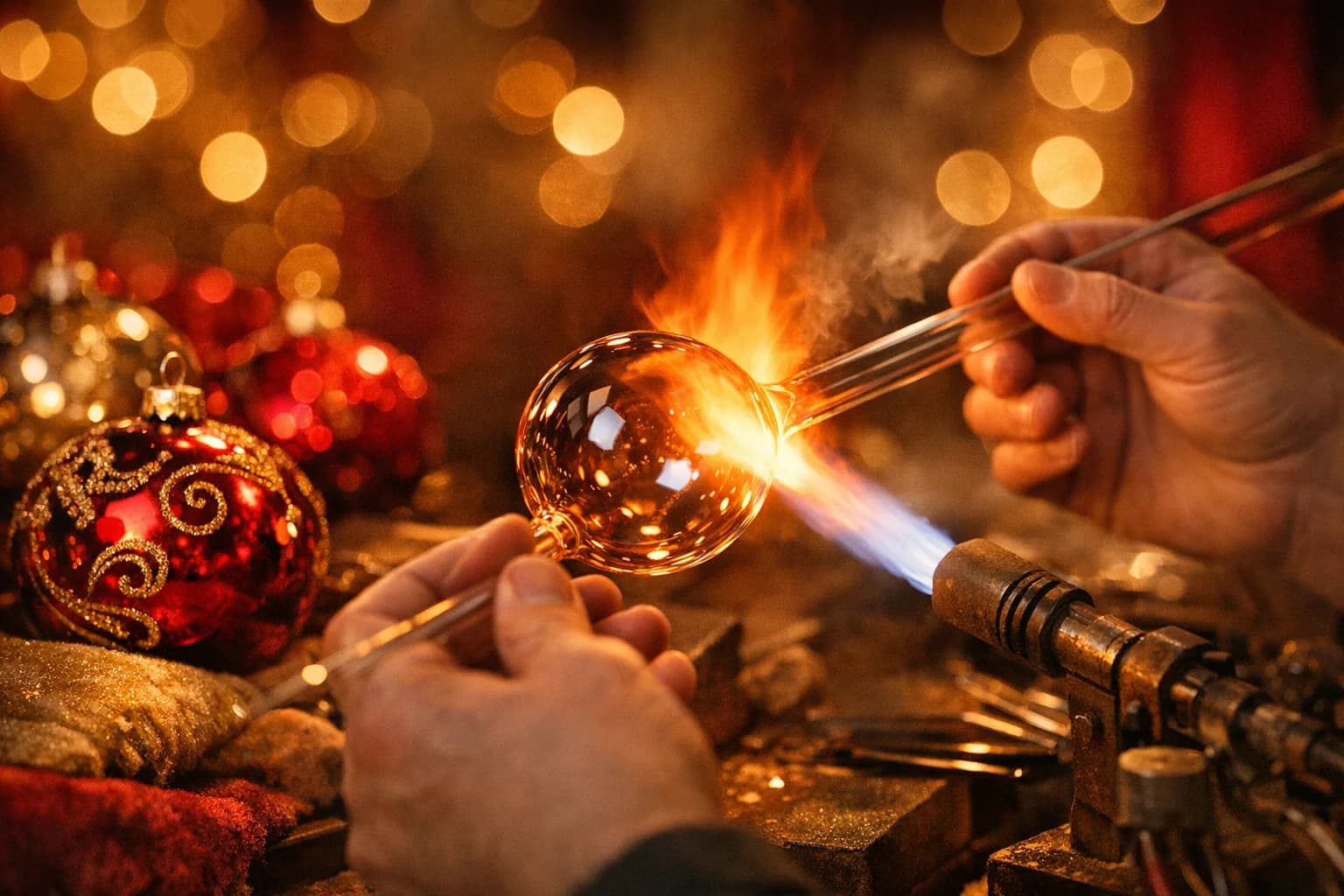
Quick answer: Hand-blown glass Christmas ornaments are made by heating a glass tube to around 1200°C, blowing it into shape by mouth or with a pump, silvering the interior with real silver nitrate, and then painting and decorating by hand. The entire process is carried out by skilled craftspeople and can take several hours per piece. At the Bolglass manufactory, this tradition has continued without interruption since 1946.
A hand-blown ornament is a Christmas decoration formed by mouth or pump from a heated glass tube, then decorated through multiple hand-crafted stages by trained artisans.
What material is used to make glass Christmas ornaments?
The primary material is soda-lime glass. This type of glass has a relatively low melting point, which makes it easier to shape. Glass tubes arrive at the manufactory as semi-finished goods. They are then cut to the required lengths and passed on to the workshop.
Soda-lime glass is valued for:
- its flexibility when shaped at high temperatures,
- excellent clarity once cooled,
- good adhesion for lacquers and decorative paints,
- the ability to produce very thin ornament walls.
These properties have made soda-lime glass the primary material in decorative glassblowing and Christmas ornament production for decades.
How does the glass-blowing process work, step by step?
Glassblowing is the heart of the entire process. The craftsperson picks up a glass tube and holds one end over a gas burner. The glass heats to around 1200°C and becomes malleable.
The key stages are:
- Heating: The tube is rotated evenly over the flame so the glass heats uniformly.
- Mouth blowing: The artisan blows into the cool end of the tube, forming a bubble. This oral glassblowing technique gives each ornament its unique shape.
- Forming in a mould: The inflated bubble is placed into a metal or wooden mould, creating spherical, pear-shaped or figurative ornaments.
- Cutting and finishing the neck: Once cooled, excess glass is cut away and the ornament's neck is smoothed.
This stage demands years of practice. Every movement must be precise – too much breath can burst the bubble, too little will not give it form.
How is the inside of a glass ornament silvered?
Silvering is one of the most distinctive stages of production. A solution of silver nitrate is introduced into the interior of the ornament. The substance reacts chemically with the glass, forming a mirror-like, silver coating.
Silvering gives the ornament:
- a beautiful, deep shine,
- the ability to reflect Christmas tree lights,
- a durable coating that resists moisture.
At Bolglass, we use only real silver nitrate – not cheap substitutes. This is the ingredient responsible for the distinctive brilliance of ornaments from our manufactory.
How are the ornaments lacquered and painted?
After silvering, the ornament is painted on the outside. Lacquering is done by hand or by dipping the piece into a lacquer bath. The available colour palette covers more than 200 shades – from classic red and gold to modern pastels and matte greys.
Craftspeople then move on to hand decoration, using:
- fine brushes and acrylic paints,
- glitters and decorative powders,
- stencils for repeating patterns,
- wet-on-wet painting techniques.
Hand decoration ensures that every ornament is truly one of a kind. Even two pieces from the same series may differ slightly – and that is exactly the value of handmade artisan craft.
What are the final finishing stages of a Christmas ornament?
Once the decoration has dried, the ornament moves to the assembly station. A worker fits the metal cap and hanging wire. This is delicate work – the ornament's neck is fragile and must be handled carefully.
The final stage is quality control. Each decoration is inspected against the light. Inspectors check for:
- evenness of the silver coating,
- quality of lacquer and decoration,
- absence of cracks or chips,
- correct fitting of the cap.
Ornaments that pass inspection are packed in dedicated protective boxes. They then go to our shop or directly to B2B customers.
In numbers
- The Bolglass manufactory has been operating continuously since 1946 – more than 78 years of glassmaking tradition.
- Glass is shaped at a temperature of around 1200°C.
- The interior of every ornament is silvered with real silver nitrate.
- The lacquer palette includes more than 200 shades.
- Standard ornament sizes are 6, 8, 10 and 12 cm in diameter.
Can visitors try making an ornament at Bolglass?
Yes – and it is one of our most popular experiences. The Bolglass manufactory welcomes groups and families for guided tours with hands-on workshops. Participants can paint and decorate their own ornament under the guidance of an experienced craftsperson.
The workshop room holds up to 92 people at once – enough for two school classes simultaneously. Workshops are a great option for school trips, corporate team-building events and family outings.
You will find full details on the tours and workshops pricing page. If you are looking for branded ornaments with a company logo, visit the promotional ornaments with logo section.
Want to design your own ornament online? Use our 3D configurator – choose the shape, colour and decoration from home.
Why choose hand-blown ornaments over mass-produced ones?
Mass-produced ornaments are made from plastic or machine-formed glass. They lack character and individuality. Hand-blown decorations rooted in the Gniezno glassmaking tradition are something entirely different.
Here are the key differences:
- Material: Real soda-lime glass versus plastic or machine-blown glass.
- Shine: Silver nitrate silvering versus aluminium foil lining.
- Uniqueness: Every piece differs slightly from the next.
- Durability: A well-stored glass ornament can last for decades.
- Emotional value: Handmade artisan pieces build family traditions.
Polish glassmaking craft has a long and proud history. Bolglass is one of the last places where luxury Christmas decorations are created exactly as they were decades ago – hand by hand, with heart and care in every detail.
Discover the Magic of Handcrafted Baubles
All our decorations are traditionally hand-blown and hand-decorated in our Polish manufactory since 1946. Visit our online shop to create your own collection.
Related articles
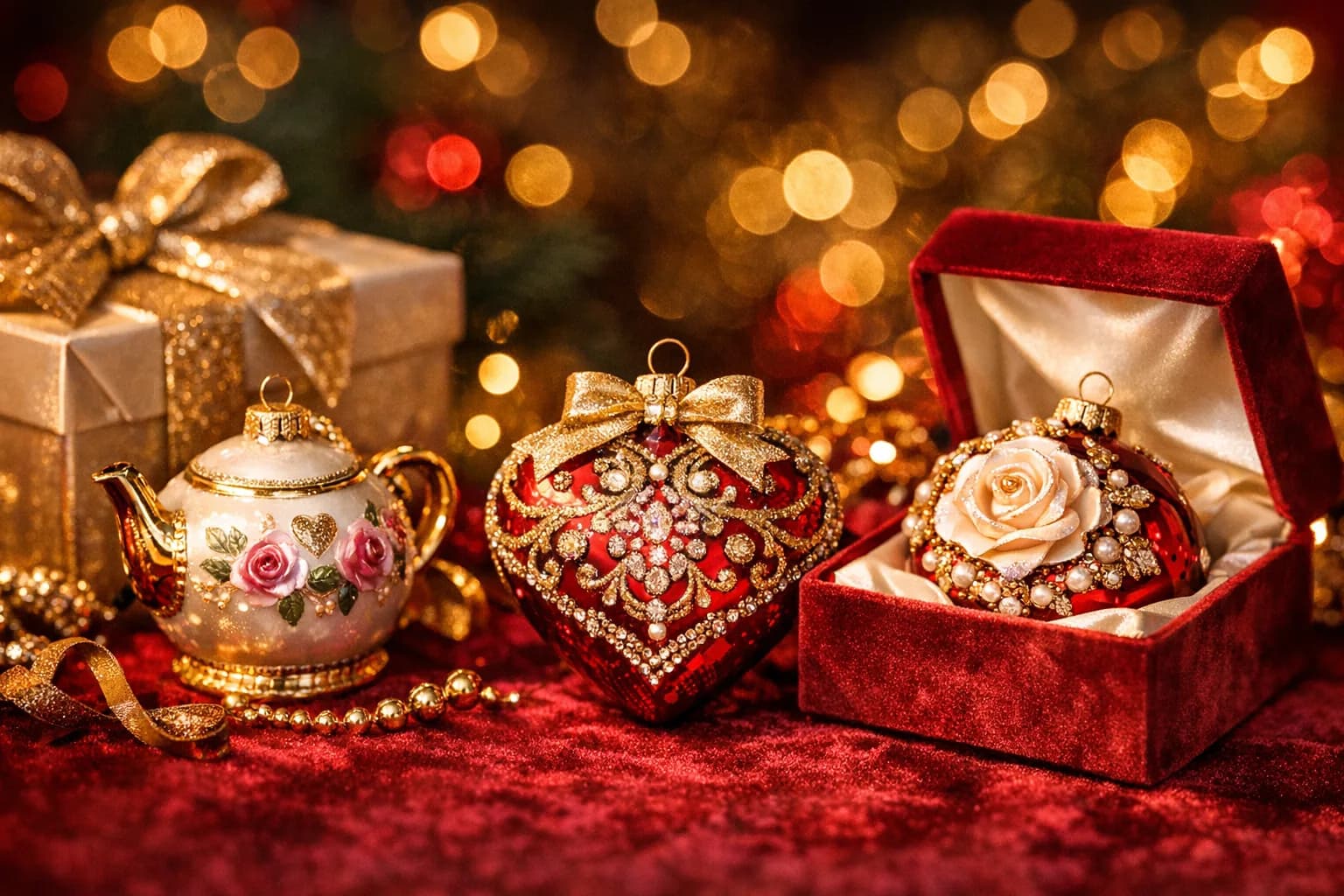
Christmas Ornaments as a Gift for Mum – Ideas for a Truly Special Holiday Present
Looking for a gift for Mum that blends beauty, tradition and a personal touch? Hand-crafted glass Christmas ornaments from a Polish manufactory make a present she will treasure for years. Discover how to choose the perfect ornament and make it truly her own.
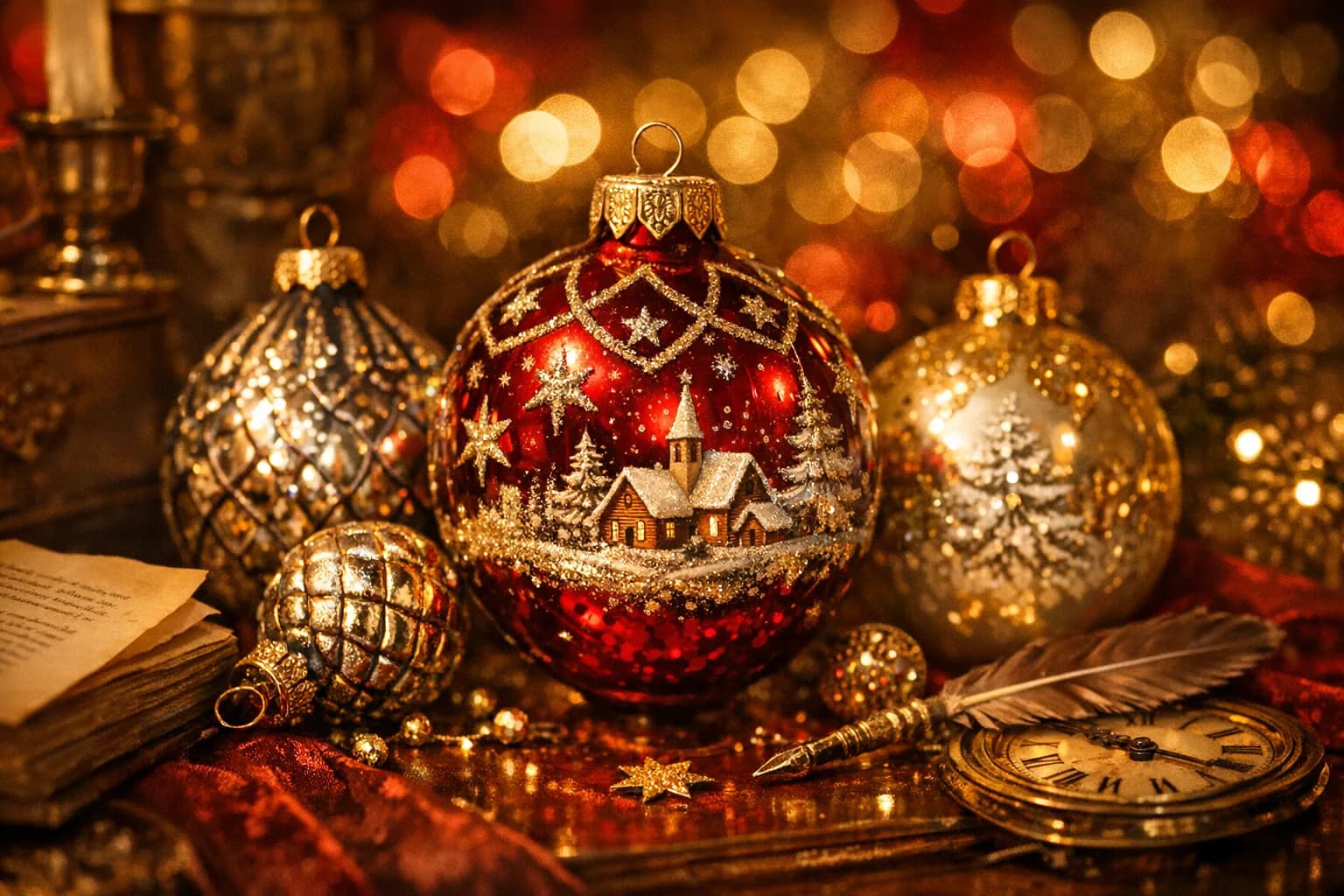
The History of Glass Christmas Ornaments – Where Did the Tradition of Decorating the Tree Begin?
Glass Christmas ornaments have been part of our festive traditions for over 160 years – and it all began in a small German town. Discover how the tradition of decorating the Christmas tree spread across Europe and why hand-blown glass ornaments continue to captivate people around the world. Bolglass of Gniezno has been keeping this tradition alive since 1946.
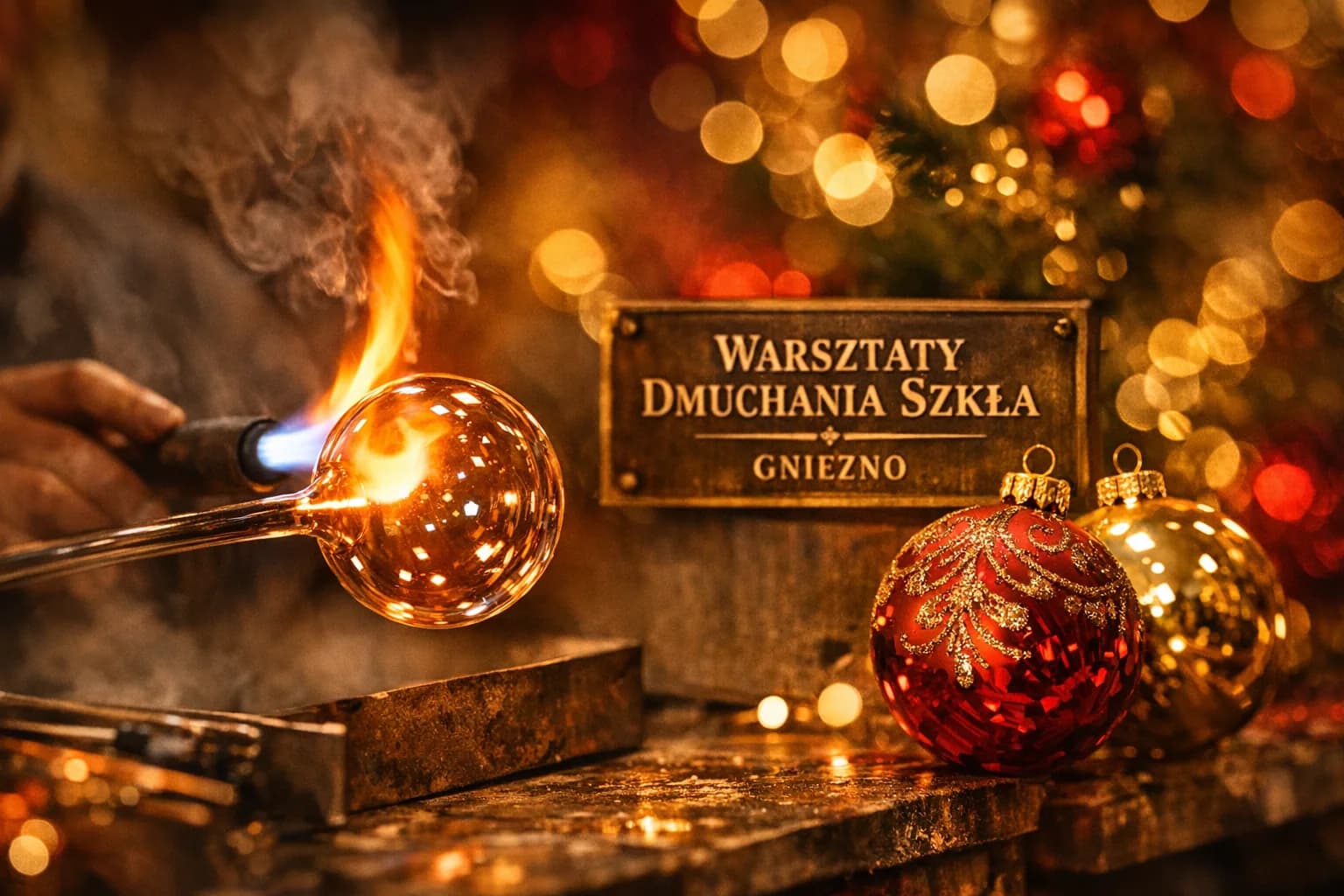
Glass Blowing Workshops in Gniezno – How to Join and What to Expect?
Have you ever wanted to blow your own glass Christmas ornament? At Bolglass in Gniezno, you can do exactly that under the guidance of experienced master craftsmen. Find out how to book your place and what the experience involves.